
Europe suffers from a protein deficit; more protein is used in livestock feed than is produced in the EU. One of the ways to close the gap is already available but regulatory change is needed to unlock its potential says EFPRA Technical Director Dr. Martin Alm.

Circularity and sustainability are central to the EU’s new Livestock Strategy. But the accompanying Protein Action Plan does not include animal by-products as a potential protein source
EFPRA members produce nearly 3 million tonnes of feed grade protein meal each year with the strictest standards in the world for sourcing and safety. With regulatory change permitting more end-uses, we can make an important contribution to closing the protein gap.
EFPRA has three recommendations for regulators to improve protein utilisation in Europe:
Lift the ban on ruminant processed animal proteins (PAPs) in feed for non-ruminants
Allowing ruminant PAPs in poultry, pig and aquafeed will make 1,2 million tonnes of protein available. The ban on ruminant proteins was a necessary precautionary measure during the 1990s BSE crisis. Today, the situation is different. We have a better understanding of BSE pathology as well as improved techniques for processing and safety testing animal by-products. Ruminant proteins follow the European Farm to Fork Strategy meaning feed grade proteins are safe at all stages of the food chain.
With these safeguards in place, feed containing ruminant PAPs can be used safely for omnivorous livestock like pigs and poultry as well as in aquafeed for carnivorous fish.
International standards support easing restrictions. The World Organisation for Animal Health (WOAH) has never prohibited the use of ruminant PAPs in feed for non-ruminants. Also, most European countries have successfully gained negligible BSE-risk status, which is the highest safety status according to WOAH.
Review the implementation of the ban on intra-species recycling of proteins
The ban on intra-species feeding was another precautionary measure. The problem is that enforcement of the ban involves very sensitive DNA testing which can detect trace contamination of material. Combined with a zero-tolerance approach, it is a barrier to greater use of animal proteins in feed.
Production and transportation equipment is often used with different products so a detection during testing doesn’t mean the feed contains significant quantities of other material. Material from cutting plants, food processing facilities, or supermarkets that handle meat from multiple species cannot be used to its full potential.
Provided that safe sourcing and processing can be demonstrated, the EU should question this globally unique feed ban or should consider a more pragmatic risk-based approach to testing and trace contamination. As a first step, we request that EFSA be mandated to review the scientific justification for this restriction.
Authorise the export Category 2 meat and bone meal (MBM)
Europe produces Category 2 MBM which is not allowed for feed in Europe. But it does comply with WOAH standards for safe animal proteins so many other countries would be willing to import it for feed and to reduce their protein deficit.
Currently, this is not possible as the EU prohibits exports for feed even when the product in question meets or even exceeds all relevant safety requirements in the receiving country. Removing this ban will make an important contribution to global sustainability and circularity in livestock production, reducing demand for vegetable proteins linked to deforestation and habitat loss.
This is particularly important because the volume of Category 2 MBM is expected to increase due to changes in the definition of Specified Risk Material in the EU to align with WOAH standards.
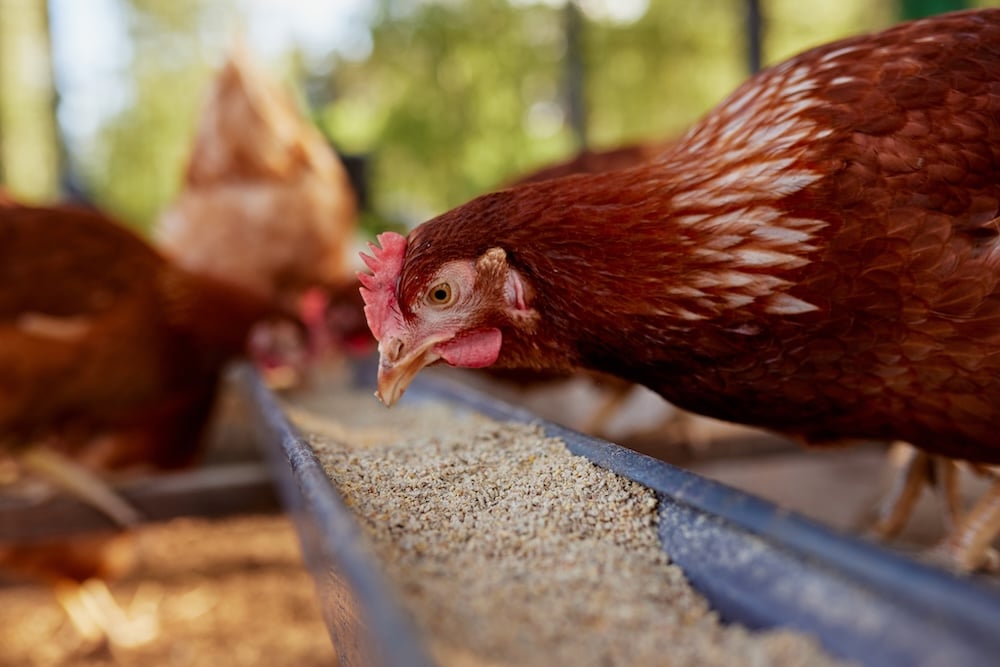
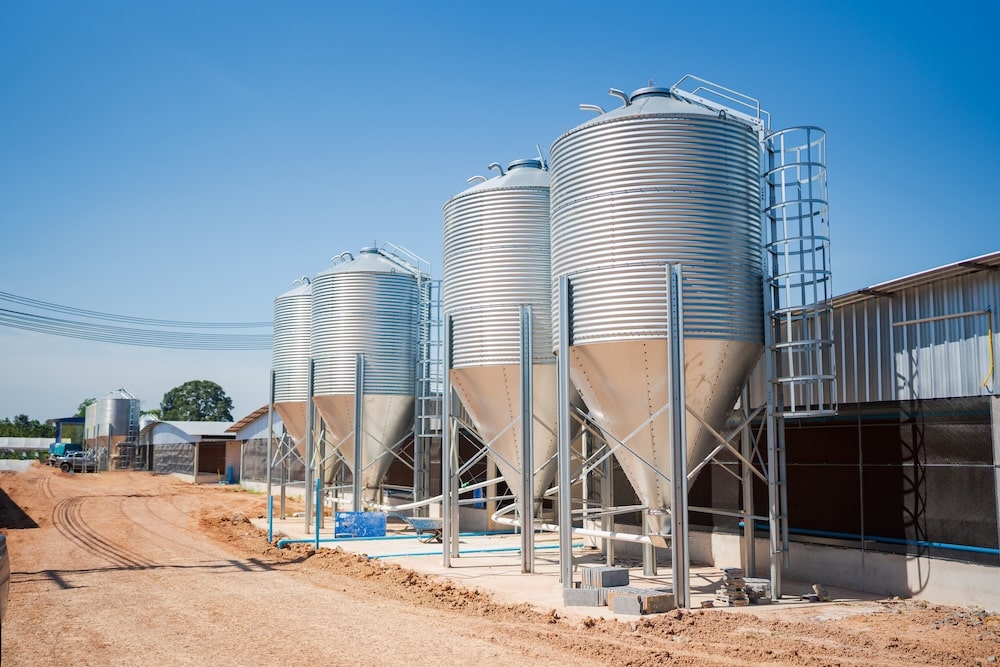
Sustainability and the circular economy – a practical example
The European animal by-products sector has already proven that it can safely reintroduce animal proteins for feed.
In 2021, the ban on feeding PAPs in the EU was partially relaxed. Since then, poultry PAPs have been permitted in pig feed, and vice versa. Thousands of tonnes of animal by-products have been put to productive use without compromising animal welfare or consumer safety.
Nevertheless, more than 30% of feed-grade animal proteins produced in the EU are still exported, while European farmers continue to rely on expensive soy imports – a missed opportunity for the bio-based circular economy.
Using PAPs in feed reduces the demand for land-intensive crops like soy, thereby curbing the indirect deforestation of rainforests, compromising endangered species and jeopardising biodiversity. Studies show that replacing just 5% of poultry feed with PAPs derived from pigs can lower the soy content by 7.5% with correspondingly positive effects on the carbon footprint.
An opportunity for the future
Europe has the strictest processing requirements and safest animal protein sourcing worldwide. Modernising the BSE/TSE-related regulations for animal by-products is far more than a technical adjustment of EU law. It offers an opportunity to put the goals of the new EU Livestock Strategy into practice by supporting more sustainable, competitive, and resilient livestock farming without compromising animal health, consumer protection, or food safety in Europe and its export markets.
The protein source is already available, let’s use it to reduce the protein deficit.