Sustainability

Animal fats are a sustainable feedstock for biofuel

Demand for sustainable biofuels is increasing following European legislation aiming to reduce the carbon footprint of aviation, maritime and road transport fuels. Rendered fat, made from animal by-products, is a sustainable feedstock for biofuels. A new White Paper from EFPRA explains the regulatory, environmental and technical aspects of using rendered fat in biofuel. In Europe, […]

Animal fats are a sustainable feedstock for biofuel Read More »
Life Cycle Assessment of Rendered Products: Carbon and Water Footprints

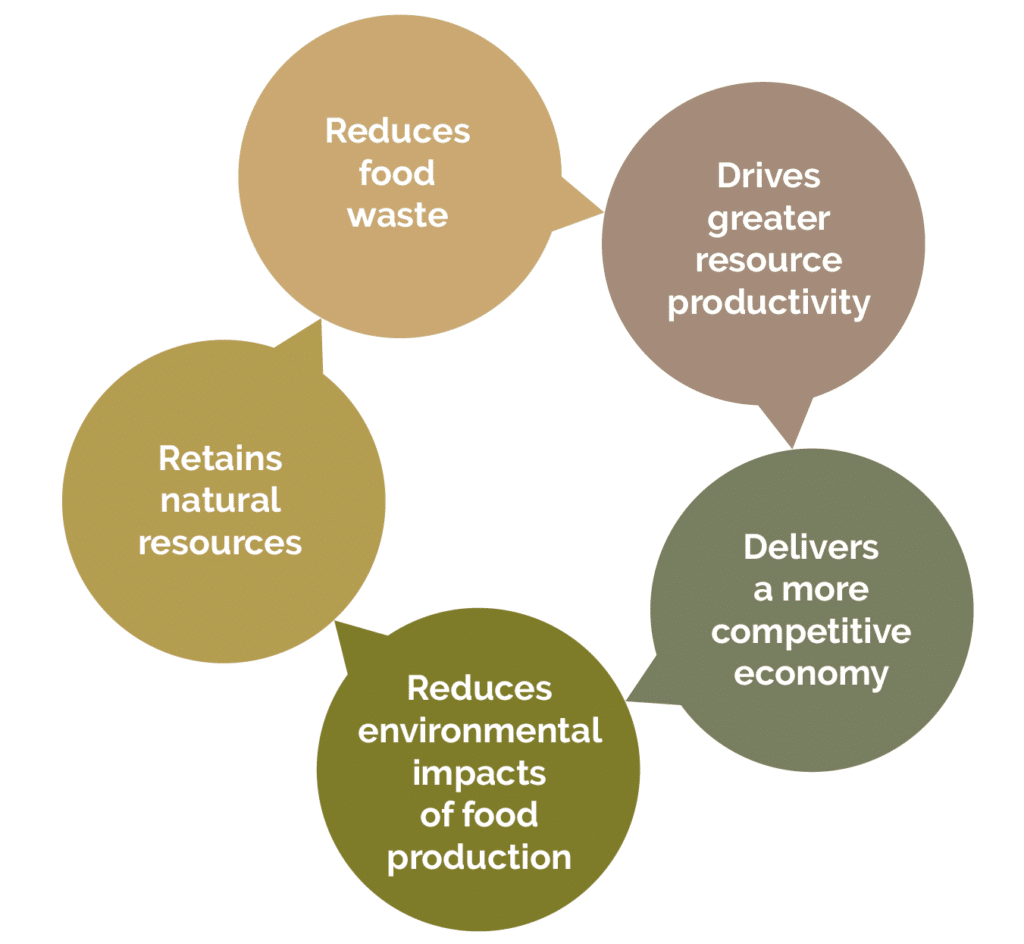
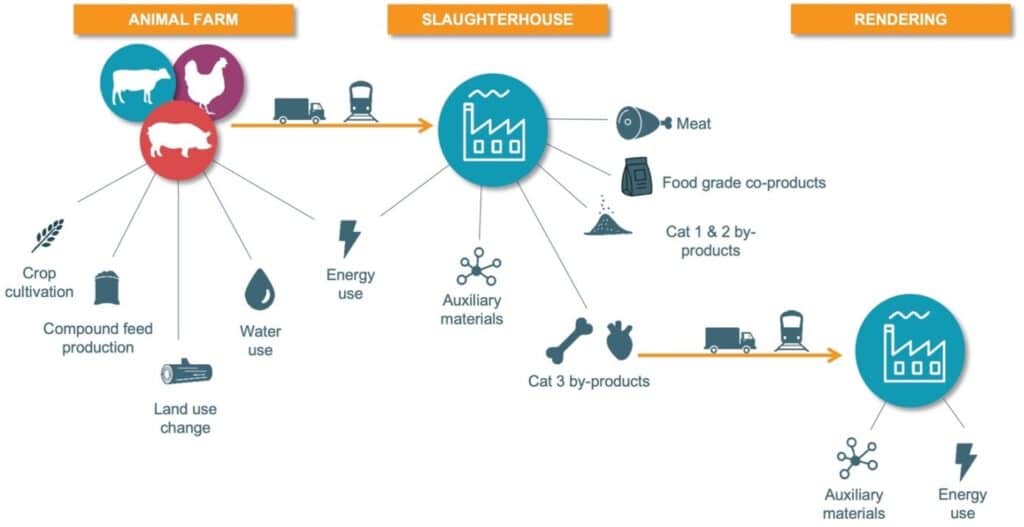
Rendering converts animal by-products from the meat and livestock industry into high value, sustainable products with a range of applications, such as animal feed and pet food. Rendering makes a significant contribution to European circular economy objectives by ensuring that animal by-products are not wasted, and the derived products are returned to the value chain.

Life Cycle Assessment of Rendered Products: Carbon and Water Footprints Read More »

Carbon and water footprints help ABPs in competitive feed market

Feed compounders now consider the environmental footprint of ingredients on top of the nutritional value. Animal by-products (ABPs) have many nutritional benefits but they also offer environmental advantages compared to some plant-based alternatives. Researchers from Mérieux NutriSciences | Blonk updated the carbon footprints of 12 rendered products used in feed and published water footprints for these prodcuts

Carbon and water footprints help ABPs in competitive feed market Read More »

Cutting carbon footprints with rendered raw materials

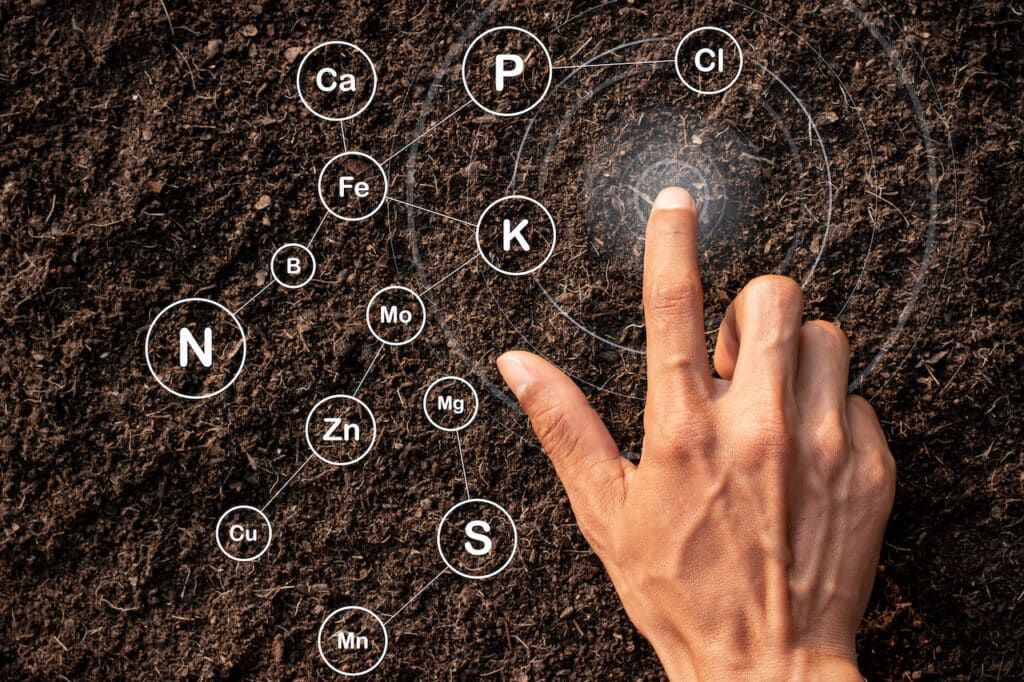
Many farmers are evaluating how they use fertiliser to reduce the carbon footprint of crop production. This includes cutting fertiliser use levels, more accurate and timely application, and also using natural fertilisers or manures with a lower carbon footprint. Category 2 Meat and Bone Meal (Cat 2 MBM) is a relatively low carbon source of

Cutting carbon footprints with rendered raw materials Read More »

Sustainability Charter gets interactive update

The EFPRA Sustainability Charter is now available as an interactive publication at sustainability.efpra.eu. It contains the entire Charter and all 18 Case Studies in an engaging and easy to read format. The new format makes it easier for people inside and outside the industry to learn about the sustainability credentials of the rendering sector. Launching

Sustainability Charter gets interactive update Read More »

Fertiliser end points for animal by-products – understanding the regulations

The EU Commission has recently published amendments to Regulation (EC) No 1069/2009 regarding the end points of animal by-products (ABPs) used in fertiliser. But further regulatory changes are needed to open new markets for most ABPs as fertilisers. “This is only the first step, the animal by-products regulations have been changed; however, step two is

Fertiliser end points for animal by-products – understanding the regulations Read More »

Recognition of holistic sustainability management

The animal by-products processing industry is committed to driving safety, security, and sustainability in the European animal-based food supply chain in many ways.  Acting sustainably is imperative for our companies from an environmental and ethical perspective and many stakeholders, from employees and consumers to NGOs, would like to know how sustainability is implemented by our

Recognition of holistic sustainability management Read More »

Animal by-products provide opportunity to cut carbon footprint of feed

Lifecycle analysis has shown the carbon footprint benefits of using animal by-products (ABP) in feed. For European feed compounders, locally produced Processed Animal Proteins (PAPs) and rendered fat can replace soymeal and palm oil with a net reduction in carbon emissions. Conducted by Blonk consultants on behalf of the European Fat Renderers and Processors Association

Animal by-products provide opportunity to cut carbon footprint of feed Read More »