News

Opportunities and challenges for the rendering sector

A message from the new EFPRA President Robert Figgener Following six years as Vice-President, Mr Robert Figgener has taken the helm at EFPRA becoming President at the recent 22nd EFPRA Congress. He has broad experience of the rendering sector following ten years as Managing Director at SARIA International and deep knowledge of renewable fuels from

Opportunities and challenges for the rendering sector Read More »

Successful Congress 2024

The 22nd EFPRA Congress built on the success of previous events with an interesting and enjoyable social and technical programme. In total, 537 delegates (including exhibitors) made it to Amsterdam from around the world, of course, with the majority from Europe which is EFPRA’s focus. “Everyone attending will have their own highlight of the event.

Successful Congress 2024 Read More »

Sustainability Charter gets interactive update

The EFPRA Sustainability Charter is now available as an interactive publication at sustainability.efpra.eu. It contains the entire Charter and all 18 Case Studies in an engaging and easy to read format. The new format makes it easier for people inside and outside the industry to learn about the sustainability credentials of the rendering sector. Launching

Sustainability Charter gets interactive update Read More »

Fertiliser end points for animal by-products – understanding the regulations

The EU Commission has recently published amendments to Regulation (EC) No 1069/2009 regarding the end points of animal by-products (ABPs) used in fertiliser. But further regulatory changes are needed to open new markets for most ABPs as fertilisers. “This is only the first step, the animal by-products regulations have been changed; however, step two is

Fertiliser end points for animal by-products – understanding the regulations Read More »

Recognition of holistic sustainability management

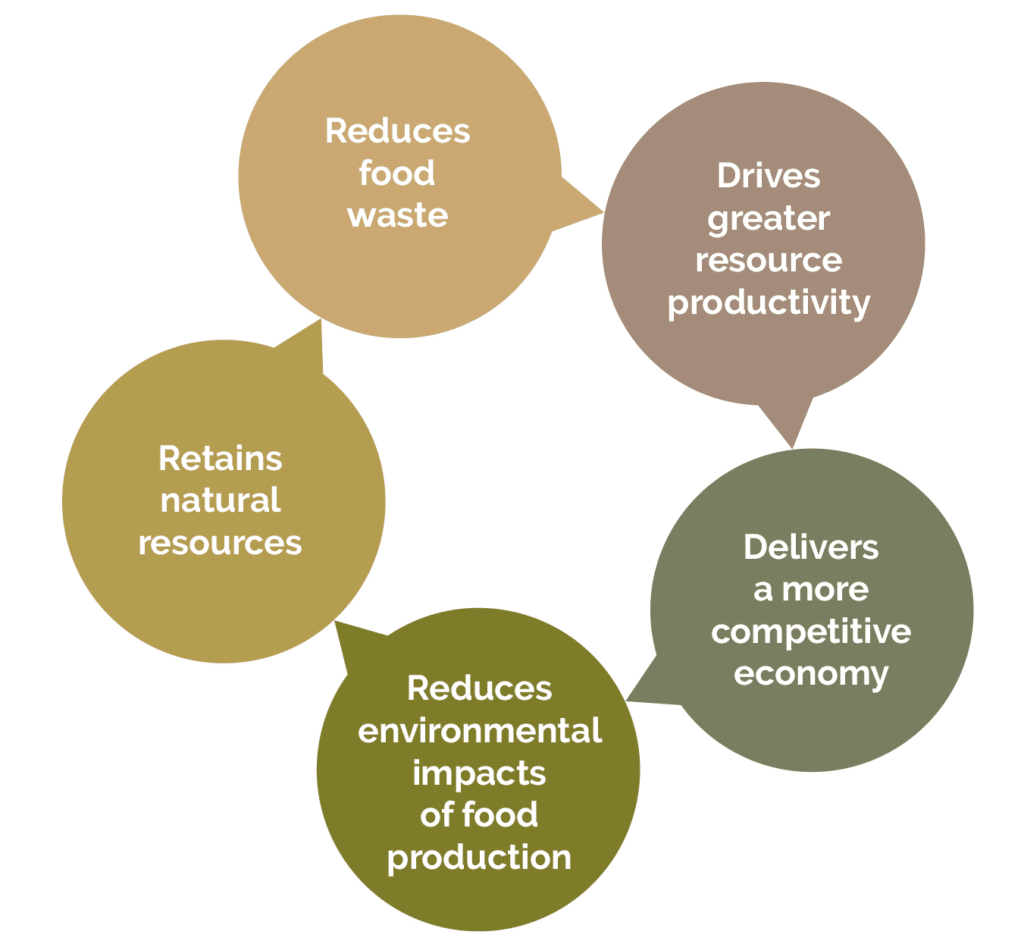
The animal by-products processing industry is committed to driving safety, security, and sustainability in the European animal-based food supply chain in many ways.  Acting sustainably is imperative for our companies from an environmental and ethical perspective and many stakeholders, from employees and consumers to NGOs, would like to know how sustainability is implemented by our

Recognition of holistic sustainability management Read More »

Animal by-products provide opportunity to cut carbon footprint of feed

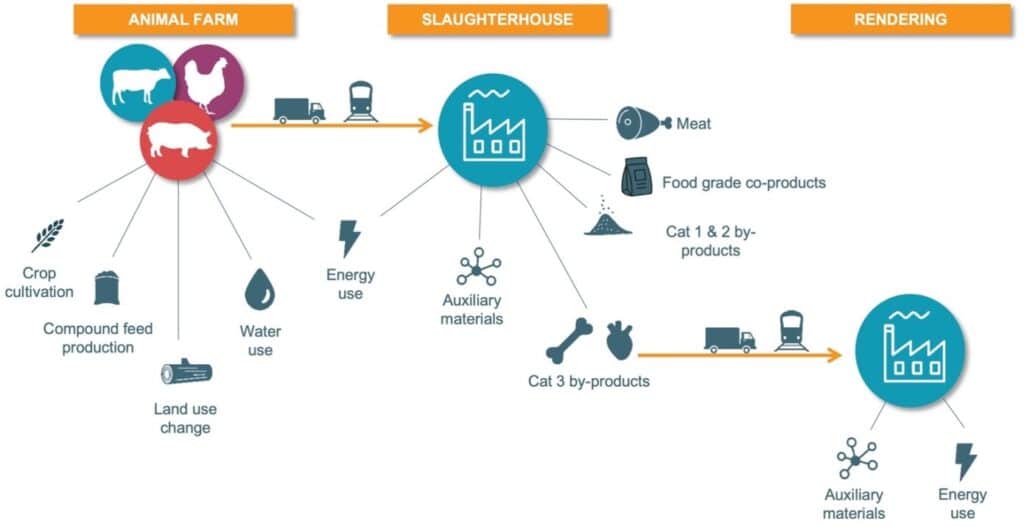
Lifecycle analysis has shown the carbon footprint benefits of using animal by-products (ABP) in feed. For European feed compounders, locally produced Processed Animal Proteins (PAPs) and rendered fat can replace soymeal and palm oil with a net reduction in carbon emissions. Conducted by Blonk consultants on behalf of the European Fat Renderers and Processors Association

Animal by-products provide opportunity to cut carbon footprint of feed Read More »